Navigating the World of Flooring Materials: A Beginner's Guide from TMIT Flooring Apr 27, 2026
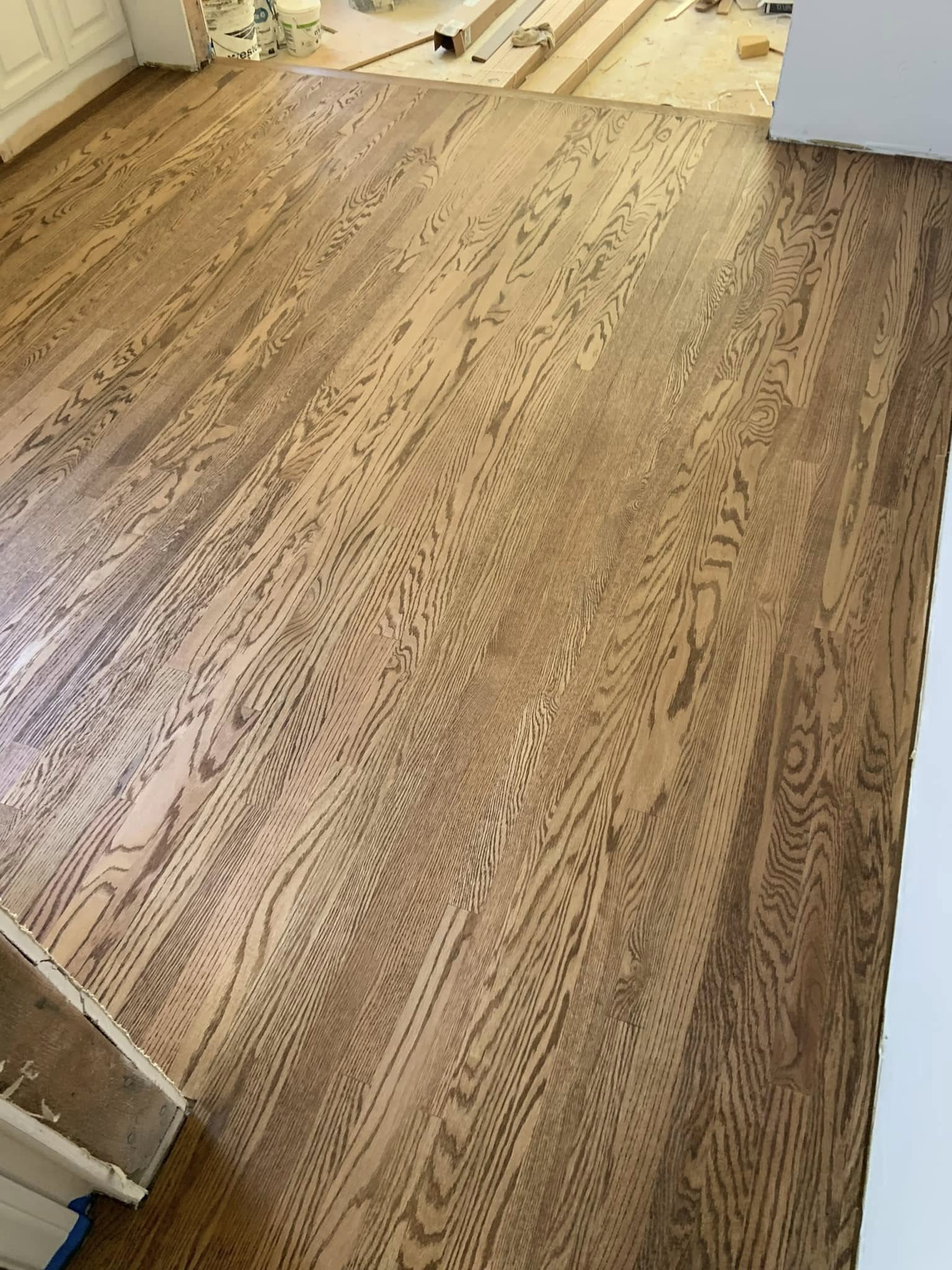
When embarking on a flooring project, the first step is to understand the different types of flooring materials available on the market. Hardwood flooring stands out as a timeless choice, offering natural beauty and durability. Known for its longevity, hardwood can be refinished multiple times, allowing it to maintain its luster for decades. However, it may not be the best fit for areas with high moisture, such as basements or bathrooms.
On the other hand, laminate flooring provides a cost-effective alternative that mimics the appearance of wood or stone. It’s favored for its scratch-resistance and suitability in high-traffic areas. Laminates come in a variety of shades and finishes, offering versatility and style without the hefty price tag of traditional hardwood.
For those looking to embrace a more sustainable lifestyle, bamboo and cork flooring are excellent green alternatives. Bamboo is as hard as many hardwoods but grows much faster, making it an environmentally friendly option. Cork, harvested from the bark of the cork oak tree, is not only sustainable but also provides a comfortable cushion underfoot, making it ideal for both residential and commercial spaces.
Vinyl and luxury vinyl tiles (LVT) have recently surged in popularity due to their water resistance and aesthetic versatility. They come in a vast array of designs, including ones that mimic wood and stone, providing an affordable yet stylish solution for moisture-prone areas like kitchens and bathrooms.
Tile flooring, made from ceramic or porcelain, is another popular choice, especially in areas that require water resistance. Ceramic tiles offer a more budget-friendly option with a wide variety of colors and patterns, while porcelain tiles are denser and more durable, ideal for both indoor and outdoor use.
Understanding the pros and cons of each flooring type is just one part of the equation. It's equally important to assess the specific needs of your space. Consider factors such as foot traffic, moisture levels, and maintenance requirements before making a decision. For spaces with heavy foot traffic, durability becomes a priority, whereas in moisture-prone areas, water resistance should be a key consideration.
Lastly, consider the installation process. Some flooring options, like laminate or certain types of vinyl, can be installed with a simple click-and-lock method, making them suitable for DIY enthusiasts. Other options, such as intricate tile work or hardwood, might require professional assistance to ensure a flawless finish.
At TMIT Flooring, our goal is to assist you in choosing the right flooring material that suits your specific requirements and enhances the beauty of your space. Our team of experts is always ready to provide personalized advice and installation services to bring your flooring vision to life.
In conclusion, navigating the world of flooring materials doesn’t have to be daunting. By understanding the benefits and limitations of each option and considering your unique needs, you can confidently select a flooring material that complements your style and stands the test of time. Let TMIT Flooring be your trusted partner in this journey, ensuring you make an informed decision that adds value and charm to your property.
/filters:no_upscale()/filters:format(webp)/media/310ecbf7-f37a-4a6c-8a16-5dc4d8cd7bdb.jpeg)