The Ultimate Guide to Selecting the Perfect Hardwood Flooring Feb 02, 2026
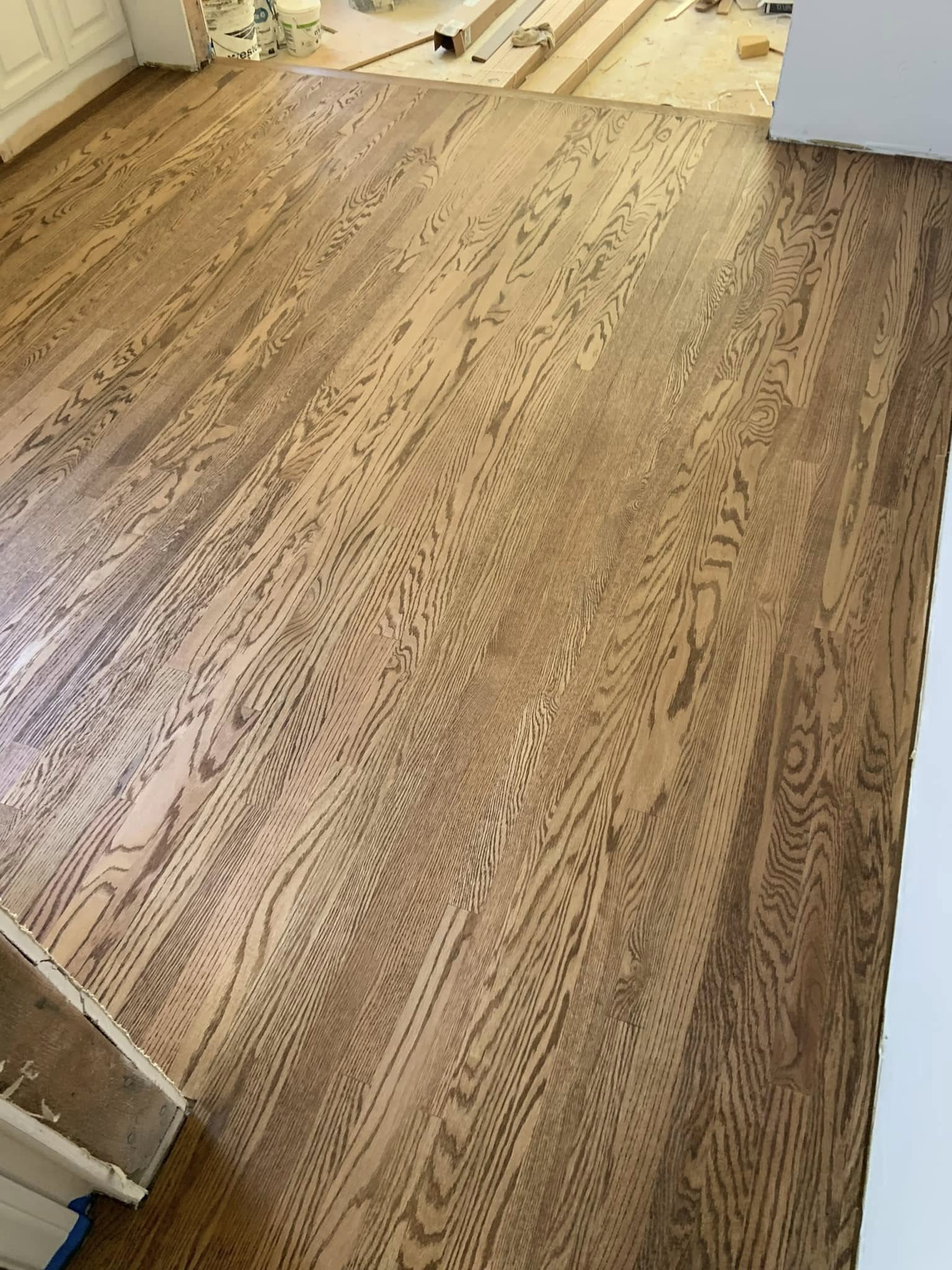
To get started on your hardwood flooring journey, it's important to first determine your style needs. Consider the overall design of your home—traditional, contemporary, rustic, or modern—and how your hardwood floors will complement other elements like furniture and decor. Different species of wood, such as oak, maple, and cherry, each offer unique grain patterns, textures, and colors, allowing for customization that reflects your personal style.
Another crucial factor is the type of finish applied to the hardwood. You have the choice between prefinished and site-finished floors. Prefinished hardwoods come with a factory-applied finish, often more durable, and allow for faster installation. Conversely, site-finished floors offer more customization options and can be tailored on-site to achieve your desired look.
Next, consider the hardness of the wood. The Janka Hardness Scale is a valuable resource for understanding the relative hardness of various wood species. For high-traffic areas such as hallways or living rooms, harder woods like hickory or oak are ideal due to their durability. In spaces where wear and tear is less of a concern, softer woods such as walnut provide a luxurious feel with their rich, deep hues.
It's also essential to think about the plank width and length. Wide planks can make spaces appear larger and more modern, while narrow planks offer a classic and traditional look. By considering the size of the room and the amount of natural light it receives, you can select planks that enhance the room's proportions and light.
When selecting your hardwood flooring, don't forget to account for environmental factors. If you live in a region with high humidity, engineered hardwood is often a better choice over solid hardwood. Engineered wood resists warping and expansion because it consists of multiple layers fused together, offering greater stability.
Budget naturally plays a significant role in your decision-making process. Hardwood flooring ranges widely in price, so setting a realistic budget early on can help narrow down your choices. Remember to factor in costs for installation and any necessary underlayment or moisture barriers.
Sustainability is another consideration that’s increasingly important. Many homeowners are opting for woods from certified sustainable sources. Look for the Forest Stewardship Council (FSC) certification to ensure your hardwood choice is environmentally responsible.
In conclusion, choosing the perfect hardwood flooring involves blending style, durability, and personal preference. By considering factors such as wood species, finish type, plank size, and budget, you can find a flooring option that not only elevates the aesthetic of your space but also stands up to the demands of daily life. At TMIT Flooring, we're committed to helping you make an informed decision, ensuring that your floors provide lasting beauty and value. Visit us for expert advice and a wide selection of premium hardwood options tailored to your needs.
/filters:no_upscale()/filters:format(webp)/media/310ecbf7-f37a-4a6c-8a16-5dc4d8cd7bdb.jpeg)